

More and more often, I hear patients say: “I’m happy with the weight I’ve lost, but my face… it doesn’t look like me anymore.”
This phenomenon has become known as Ozempic Face. But what exactly is it, why does it happen, and most importantly — what can you do about it?
VIDEO:
What are GLP-1 medications?
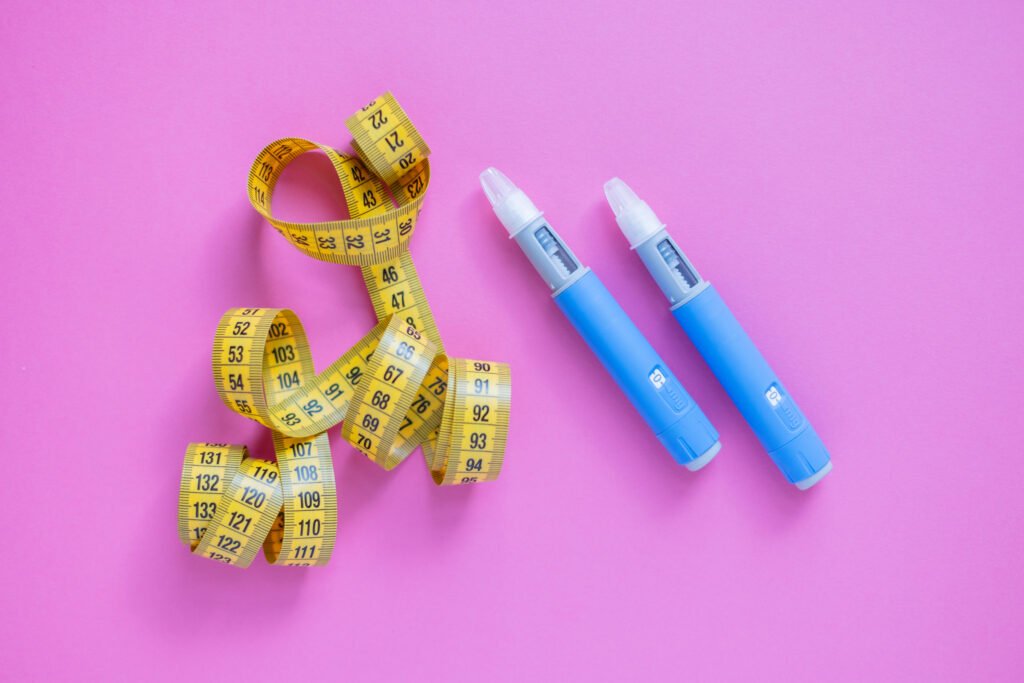
GLP-1 medications like Ozempic and Wegovy slow down stomach emptying and strongly suppress appetite. As a result, people eat much less and quickly end up in a calorie deficit.
The outcome? Often impressive weight loss — 10, 15, or even 20 kilos within a few months. Fantastic for your body’s health, but the face often can’t keep up with this speed.
Why does the face change?
Our face is supported by fat pads that create youthful curves and soft contours. When these fat compartments shrink too quickly, the skin doesn’t have time to adapt.
The effect is similar to a balloon deflating: the volume disappears, but the skin remains, causing it to fold and sag.
This explains why people often develop hollow cheeks, sunken temples, a looser jawline, and deeper lines around the mouth after rapid weight loss.
What makes this process unique is the speed. Gradual changes — for instance, during pregnancy — give the skin time to adapt. GLP-1 medications accelerate weight loss so much that the skin simply can’t keep up.
More than just fat loss
Besides losing volume, the skin also loses key structural components like collagen, elastin, and hyaluronic acid. These are essential for firmness, elasticity, and hydration. When they decrease, the skin looks thinner, more fragile, and less radiant.
On top of that, GLP-1 medications suppress appetite so strongly that many people don’t get enough vitamins, minerals, or protein. This can lead to dull skin, dryness, easy bruising, and even hair loss.
There are some positive effects: lower blood sugar levels reduce glycation — a process where sugars damage collagen — and certain inflammatory conditions like acne or rosacea may improve. Still, the rapid loss of fat and muscle often outweighs these benefits, leaving the skin looking older.
For women going through menopause, there’s a double burden: natural collagen loss due to hormonal changes plus the rapid weight loss from GLP-1 medications. Skin changes become even more visible.
And it’s not just about skin and fat: muscle mass decreases too — in the face, arms, legs, and even the glutes. This can result in a more fragile, less healthy appearance.
We’ve seen this before
The idea of sunken faces due to medication isn’t new. In the early 2000s, HIV patients treated with AZT experienced severe facial fat loss. Sculptra was originally developed as a medical solution for this issue — long before it became popular as a cosmetic treatment.
Endurance athletes show something similar, known as runner’s face: a thinner, prematurely aged look caused by repeated physical stress and collagen breakdown.
Ozempic Face fits the same pattern: rapid fat and collagen loss the skin can’t adapt to in time.

What can you do about it?
Luckily, there are several effective treatments to restore volume and firmness to the face:
1. Biostimulators
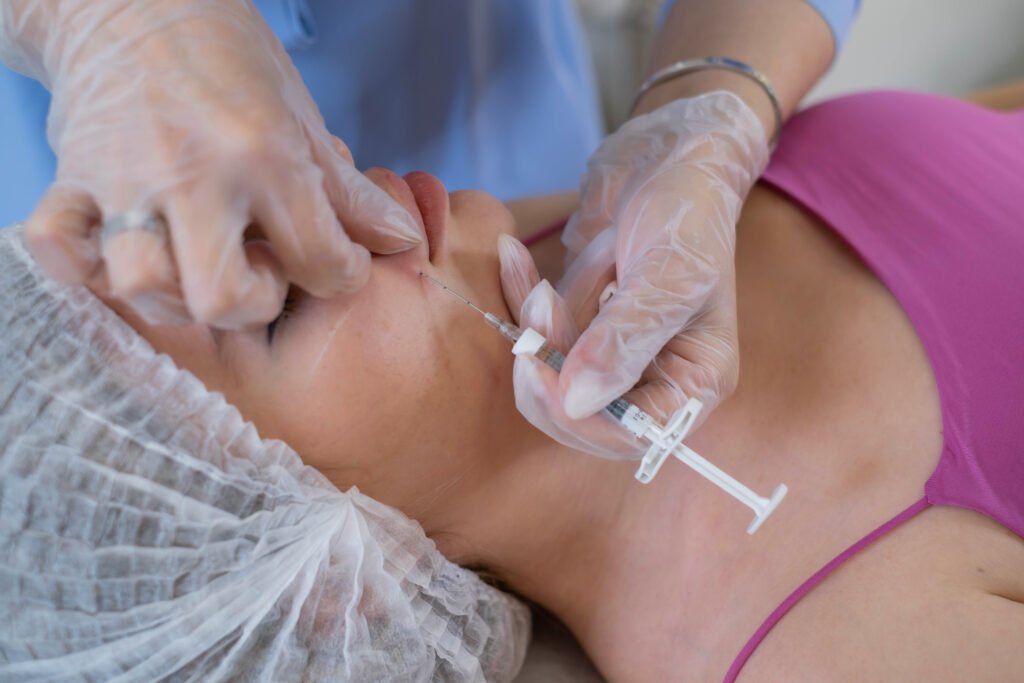
Unlike traditional hyaluronic acid fillers, these products don’t just fill — they stimulate the skin to produce its own collagen and elastin. The effect develops gradually, but always looks natural and lasts longer. Examples include Sculptra and diluted Radiesse. They restore pan-facial volume and improve skin quality.
2. Hyaluronic acid fillers
When targeted corrections are needed, classic fillers are ideal. They can define cheekbones, fill in temples, or soften lines around the mouth and chin. They’re often combined with biostimulators for optimal results.
3. Energy-based devices
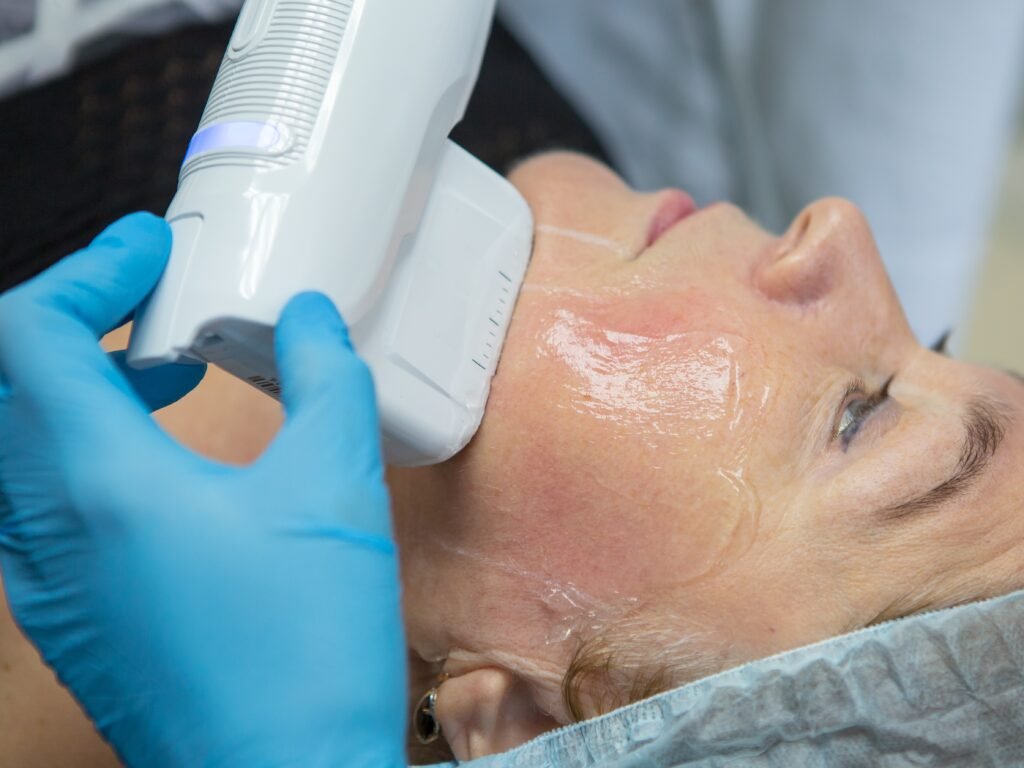
Treatments like HIFU (ultrasound) and RF microneedling stimulate deep collagen production, improving skin tightening and lifting. RF microneedling also refines skin texture, making it smoother and healthier. Often, these techniques are combined for the best outcome.
Supporting your skin from within
Alongside in-clinic treatments, lifestyle factors matter just as much.
A protein-rich diet helps maintain muscle and skin quality. Hydration, antioxidants, and healthy fats support overall skin health and recovery.
Medical-grade skincare with ingredients like retinol, peptides, and hyaluronic acid strengthens the skin barrier and maintains radiance.

Can you prevent Ozempic Face?
To some extent, yes. The most important factor is gradual weight loss, giving the skin time to adjust. Strength training helps preserve muscle mass and stimulates growth factors beneficial for the skin.
And above all: only use these medications under medical supervision. They are powerful treatments, not lifestyle supplements. Without proper follow-up, the risks increase significantly.
Conclusion
Ozempic Face is the visible result of rapid changes the skin can’t keep up with. It’s a combination of fat loss, collagen depletion, skin laxity, and nutritional deficiencies.
The good news? With the right approach — biostimulators, fillers, energy-based treatments, medical skincare, and a healthy lifestyle — these changes can be significantly improved and sometimes even largely prevented.