

VIDEO:
Collagen has become one of the biggest buzzwords in the world of anti-aging.
From powders and supplements to gummies and drinks — it’s everywhere.
But what many people don’t realize is that collagen isn’t something you simply buy.

It’s something your body produces every single day.
And perhaps even more importantly: your lifestyle — especially your nutrition — plays a crucial role in how well your body is able to do that.
In this article, I want to take a closer look at how collagen actually works, and which foods can help support and protect it from within.
What is collagen — and why does it matter?
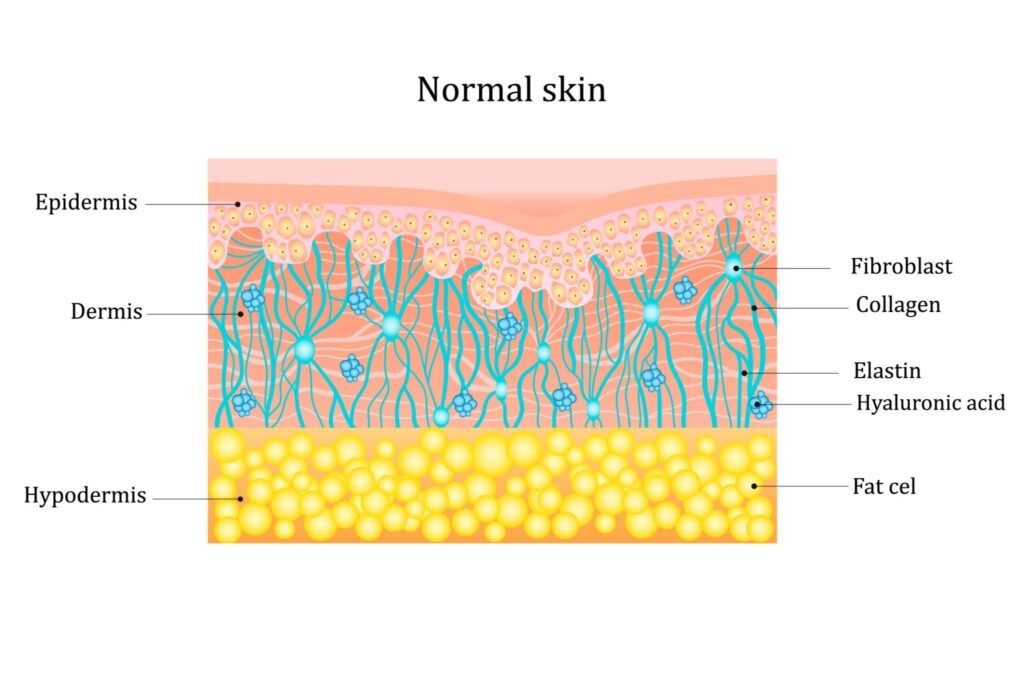
Collagen is the main structural protein in the deeper layers of the skin.
It provides firmness, strength, and resilience, acting as a support system beneath the surface.
As we age, collagen production gradually declines — a process that already begins in our thirties.
At the same time, the collagen that is produced becomes weaker and less organized.
This leads to visible changes in the skin, such as fine lines, wrinkles, and loss of firmness.
External factors accelerate this process even further.
UV exposure, pollution, and smoking generate free radicals that break down collagen at a faster rate.
This is why daily sun protection remains the most important step in preserving skin quality.
But beyond that, there is another factor that is often underestimated: supporting collagen from within.
Collagen starts with protein
If collagen is something your body builds, it first needs the right building blocks.
Collagen itself is a protein.
This means that adequate protein intake is essential for collagen production.
Think of protein as the raw material your body uses to create and repair tissue.

Good sources of high-quality protein include:
- Eggs
- Fish
- Lean meats
- Lentils and chickpeas
Egg whites, for example, are rich in lysine — an amino acid that plays a key role in collagen synthesis.
You may also have heard of collagen supplements or peptides.
Some studies suggest they may have a mild effect on skin hydration or inflammation.
However, they are not a miracle solution.
The foundation remains simple: a consistent intake of sufficient, high-quality protein.
Omega-3 fatty acids: reducing inflammation
Once the body has the necessary building blocks, the next step is protecting collagen from breakdown.
One of the main drivers of collagen degradation is chronic, low-grade inflammation.
This is where omega-3 fatty acids become particularly important.
Omega-3s support the skin barrier and help reduce inflammation, which indirectly protects collagen over time.
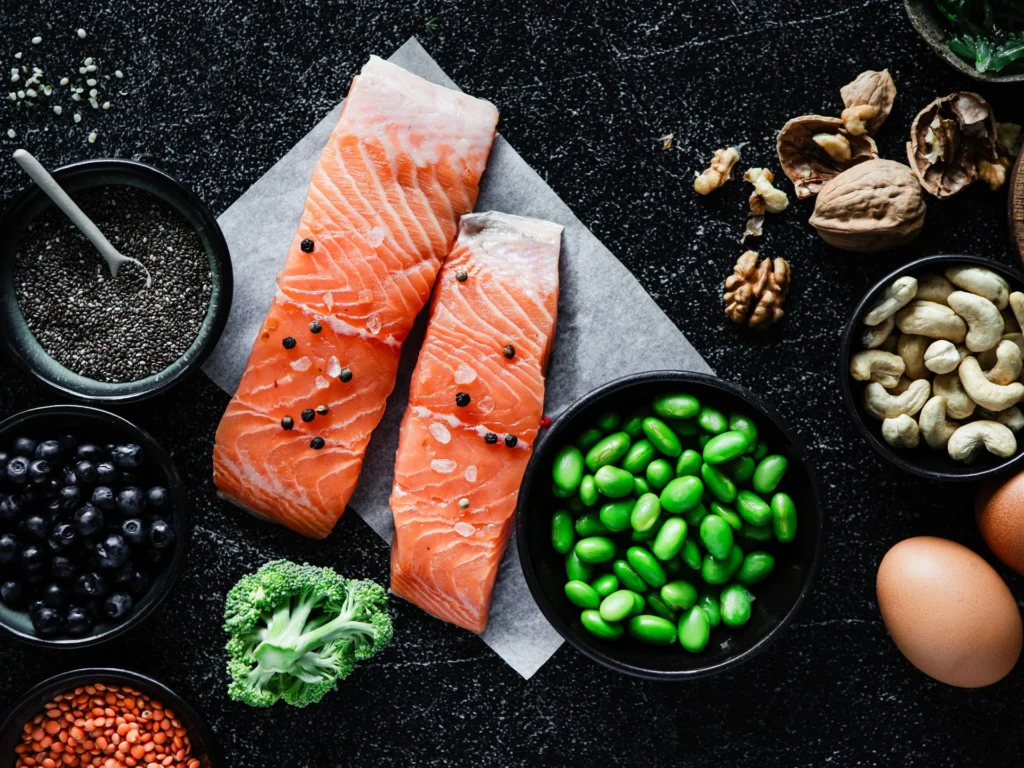
Good sources include:
- Walnuts
- Chia seeds
- Flax seeds
- Fatty fish such as salmon and mackerel
Even small amounts, when consumed consistently, can contribute to overall skin health.
Vitamin C: essential for collagen production
Vitamin C plays a central role in collagen synthesis.
Without it, the body simply cannot form collagen properly.
In addition, it acts as a powerful antioxidant, helping to neutralize free radicals caused by environmental damage.
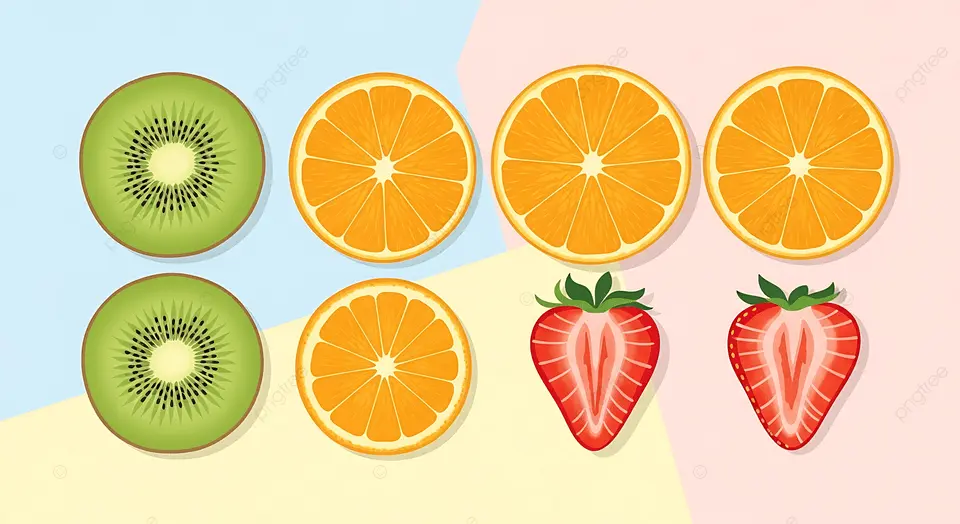
Foods rich in vitamin C include:
- Spinach and kale
- Citrus fruits
- Kiwi
- Berries
Dark leafy greens also contain folate, which supports healthy skin cell turnover and contributes to DNA repair.
Antioxidants and skin protection
Beyond vitamin C, a wide range of antioxidants help protect collagen from oxidative stress.
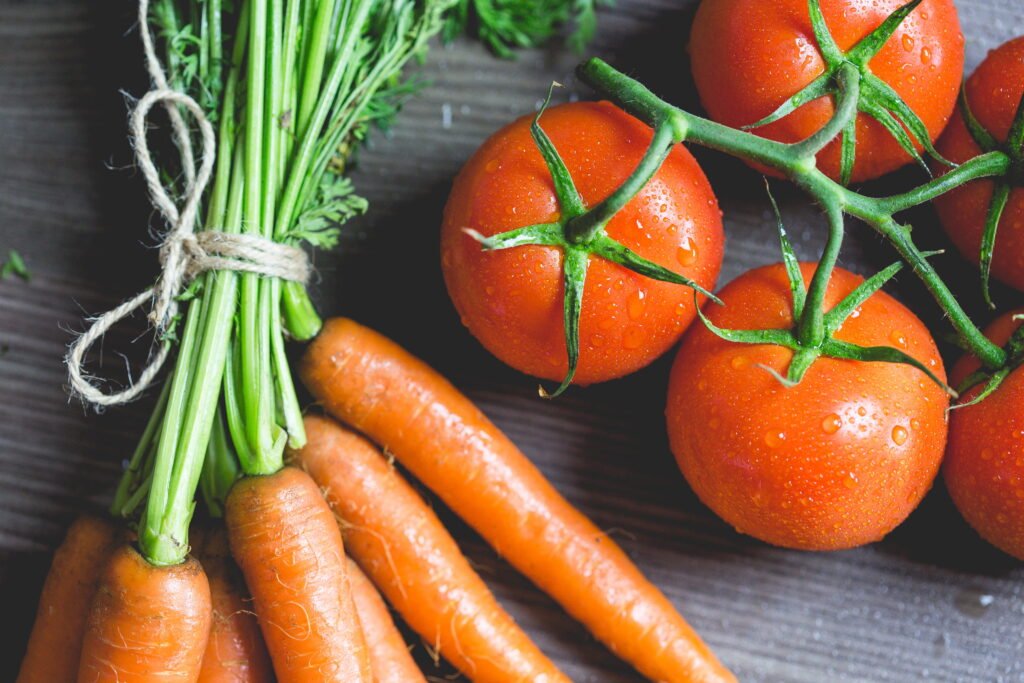
Red fruits and vegetables — such as tomatoes and red bell peppers — contain lycopene, which has been shown to support the skin’s resilience against sun damage.
Orange vegetables like carrots and sweet potatoes are rich in beta-carotene, which the body converts into vitamin A.
This contributes to skin regeneration and overall skin integrity.
It is important to note that vitamin A is best obtained through food rather than high-dose supplements, as excessive intake can lead to toxicity.
Plant-based options: soy and collagen support
For those following a more plant-based diet, soy can be an interesting addition.
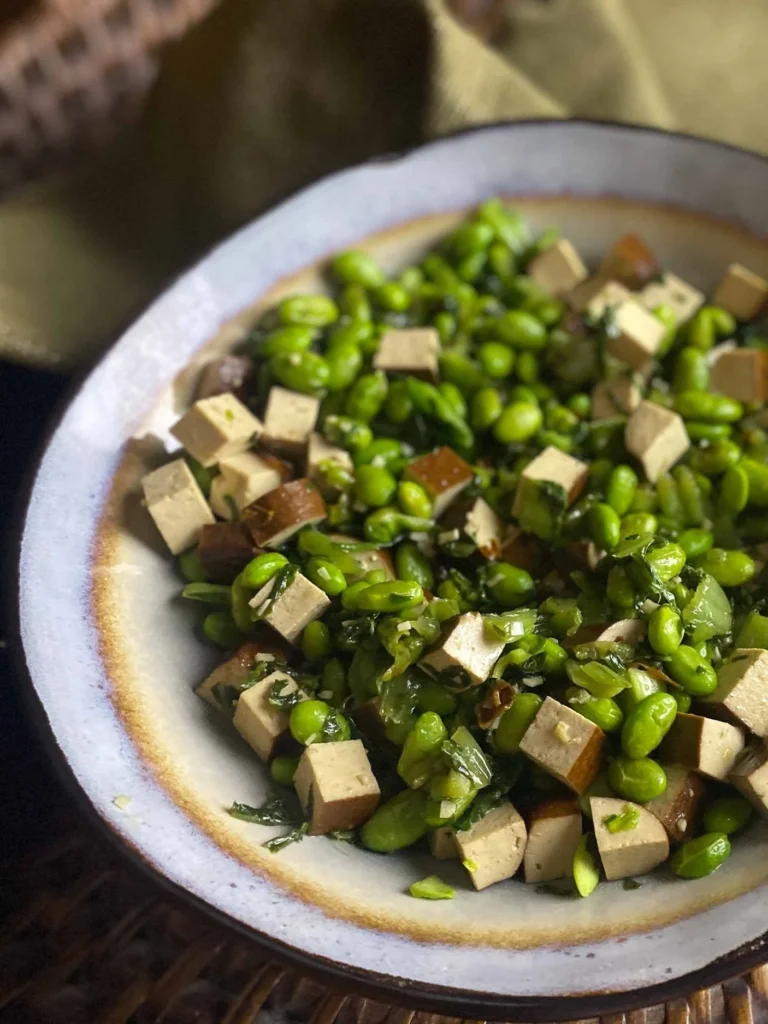
Foods such as tofu and edamame contain isoflavones, including genistein.
These compounds may help reduce collagen-degrading enzymes in the skin.
Despite some misconceptions online, soy can absolutely be part of a balanced and skin-supportive diet for most people.
A small but powerful ingredient: garlic
Garlic may seem like a simple ingredient, but it contains sulfur — a mineral that is important for the formation of strong collagen fibers.
It also contains compounds that may support collagen rebuilding over time.
While not a standalone solution, it is a valuable addition within a varied and nutrient-rich diet.

What to limit: the impact of AGEs
Supporting collagen is not only about what you add to your diet — but also what you minimize.
Advanced glycation end products (AGEs) are compounds that form when foods are cooked at very high temperatures, such as frying, grilling, or roasting.

These compounds contribute to inflammation and can make collagen fibers stiffer, weaker, and more prone to damage.
This does not mean these foods need to be avoided entirely.
However, a diet that is consistently high in fried or heavily processed foods may accelerate visible and internal aging.
Simple adjustments — such as choosing steaming, boiling, or slow cooking — can already make a meaningful difference.
A holistic approach to collagen
When you look at these dietary patterns as a whole, a clear theme emerges.
The most supportive foods for collagen are:
- Rich in nutrients
- Anti-inflammatory
- High in antioxidants
And they benefit not only the skin, but also joints, ligaments, and connective tissue throughout the body.
Because aging is not just about how we look — it is about how our tissues function as a whole.
In aesthetic medicine, we can stimulate collagen in a more targeted way through specific treatments.
But the foundation will always remain the same.
Collagen is not a single product or quick fix.
It is the result of consistent daily choices.
Your nutrition, your lifestyle, and your habits all play a role.
Because ultimately, collagen is not something you buy —
it is something you support, every single day.
Considering a more targeted approach?

While nutrition and lifestyle form the foundation of healthy skin, aesthetic treatments can support collagen production in a more precise and targeted way.
At Doctor Contour Clinic, we offer a range of treatments designed to stimulate collagen and improve skin quality over time — always with a natural and individualized approach.
If you’re interested in exploring what might be suitable for your skin, you can learn more about the available treatments on our website.