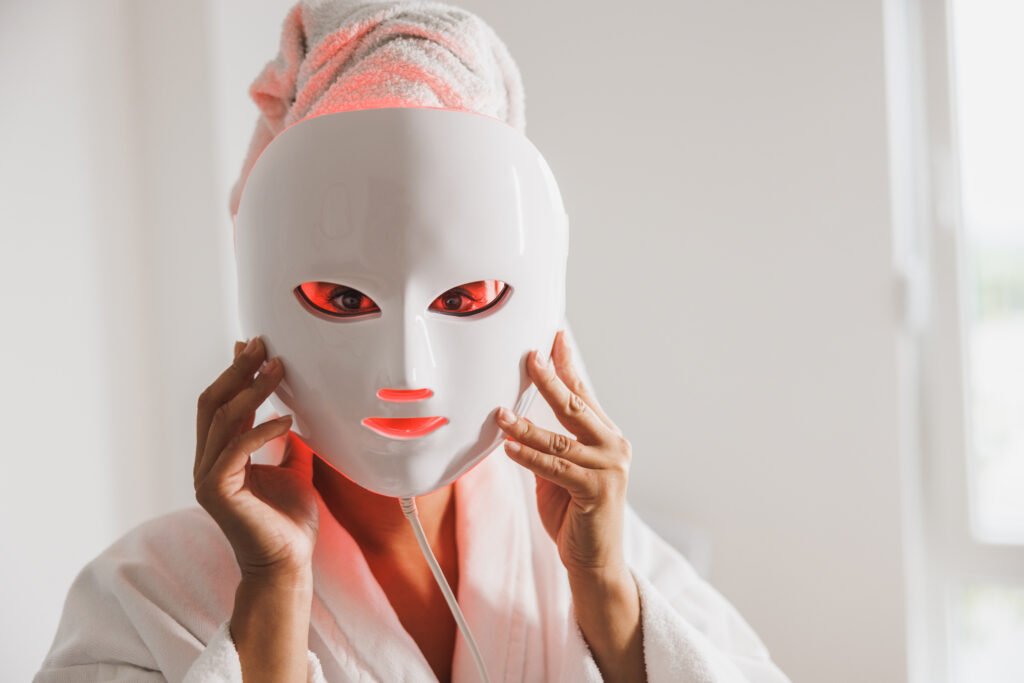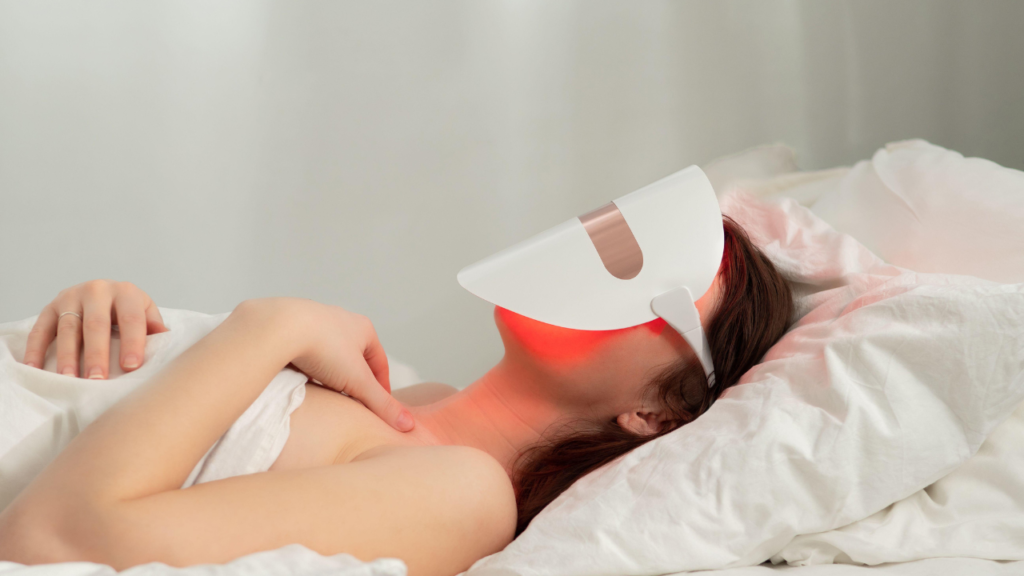
LED light masks are everywhere — from TikTok trends to celebrity beauty routines. They promise even skin, fewer blemishes, and a youthful glow. But do they really work? Or are they just an expensive hype?
As an aesthetic physician, I get this question often. In this blog, I explain how LED masks work, what you can realistically expect, and how they fit into a broader skincare plan — especially if you are striving for healthy, elegant aging.
What is LED therapy?
LED stands for Light Emitting Diode — a technique in which specific wavelengths of light penetrate the skin. Each color of light has a different effect:
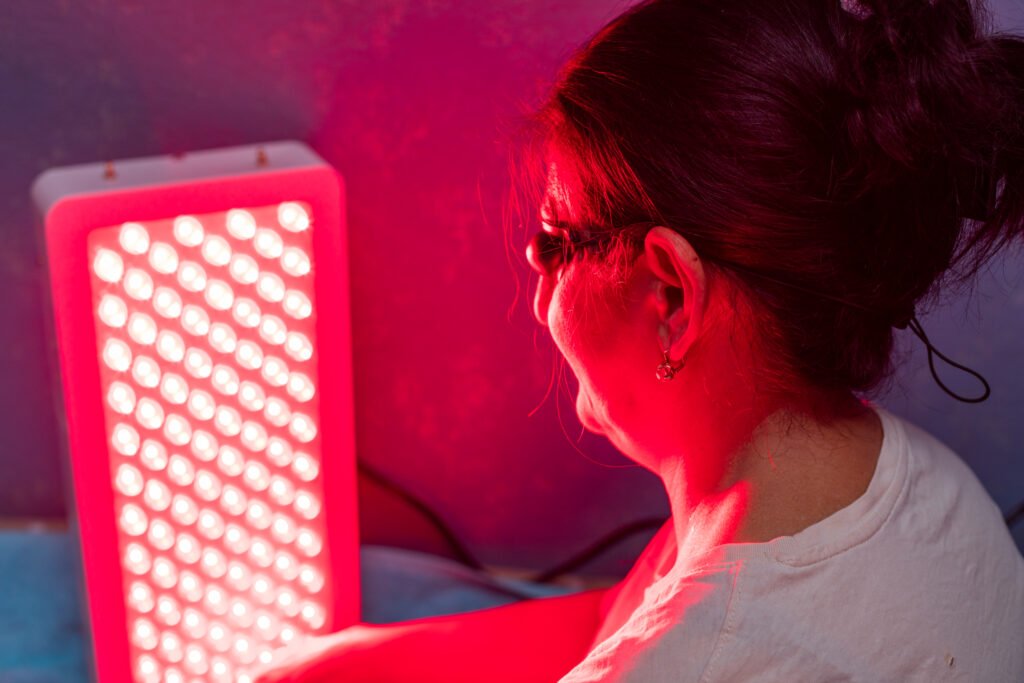
Red light: Stimulates collagen, reduces inflammation, and helps with redness (such as rosacea).
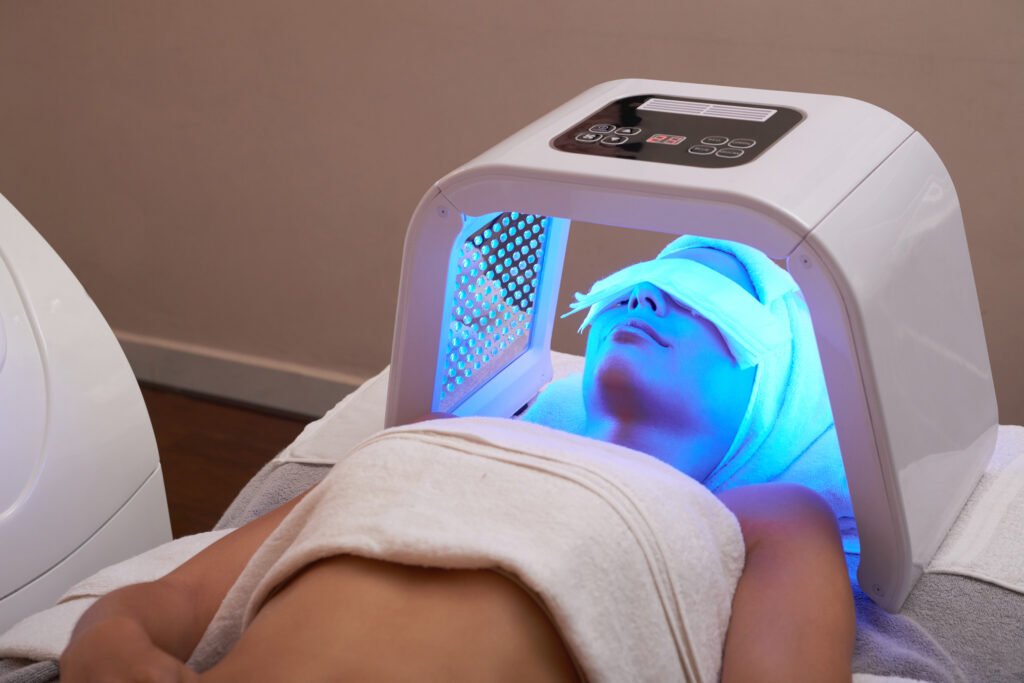
Blue light: Kills acne-causing bacteria.
Green light: Works on pigmentation and fibroblast stimulation.
Amber light: Reduces swelling and improves radiance.
Infrared: Penetrates deeper and stimulates skin renewal.
Why is it so popular?
LED therapy is:
- Non-invasive
- Non-harmful to the skin
- Painless and relaxing
- Suitable for all skin types and skin tones
- Free from downtime or irritation
There is no risk of burning or pigment changes — even for dark or sensitive skin.
Home use vs. professional treatments
Home LED masks are mild in strength, making them safe, but you must use them regularly to see results.
In the clinic, I work with medical treatments that work much deeper and more powerfully. Think of:
- Biostimulators (such as Sculptra or Radiesse)
- Skin boosters
- Microneedling with PRP
- Energy-based devices (radio frequency, ultrasound)
LED masks are a nice addition, but cannot replace these treatments.
How do LED masks fit into a professional treatment plan?
LED can:
- Soothe redness after microneedling, laser, or peeling
- Promote recovery
- Support collagen stimulation between sessions of skin boosters or biostimulators
- Keep acne under control between treatments
It is especially valuable as maintenance between treatments, or as extra support for your skincare routine.