
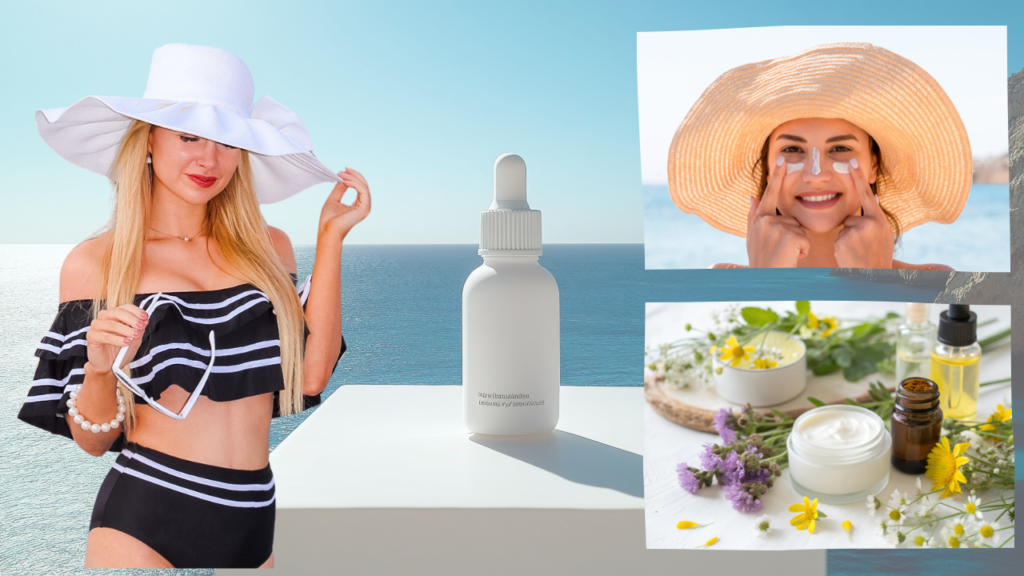
As the days get longer and the sun shines more intensely, your skin requires a different approach. What worked perfectly in winter is not always suitable for summer.
In this post, I share how I personally adjust my skincare routine as soon as the weather gets warmer—and what I also advise my patients at Doctor Contour Clinic in Antwerp. Whether you are spending time at the beach, working out, or simply spending more time outdoors, these adjustments help keep your skin healthy, balanced, and radiant all summer long.
1. Start with sunscreen—but choose the right one
Sun protection remains the most important step in your skincare routine, even in the summer. Most people know that SPF is necessary, yet I often notice confusion about which product is actually best to use and how to apply it correctly.
Personally, I always recommend a mineral sunscreen with active ingredients such as zinc oxide or titanium dioxide. These act like a mirror: they reflect UV rays instead of absorbing them like chemical filters do. They are usually milder for sensitive skin and reef-safe.
Make sure the product contains at least 7% zinc oxide or titanium dioxide. That is the minimum I recommend for decent protection.
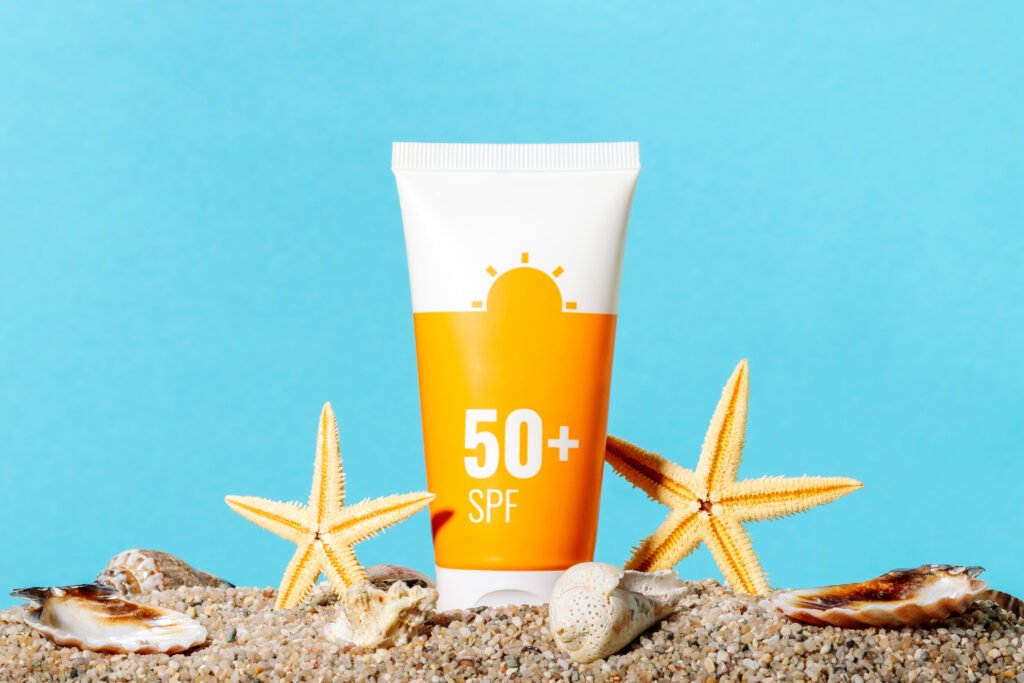
Important to know: SPF only indicates protection against UVB (the rays that burn your skin). But UVA—the rays that cause pigmentation spots, fine lines, and collagen loss—is at least as important. So, even with SPF 50, you can still develop melasma or sunspots if your sunscreen does not offer good UVA protection.
Mineral filters usually provide more reliable broad-spectrum protection—that is, against both UVA and UVB—because they form a physical barrier on your skin.

2. Reapplying sunscreen: keep it practical
The best sunscreen only works if you reapply it regularly. But honestly? Most people really don’t want to slather an extra layer of cream over their makeup halfway through the day.
That is why I am a fan of mineral powder formulas in brush form. You simply apply them over your makeup, without shine or a white cast. Ideal for work, on the go, or during a sunny day outdoors.
Also, don’t forget the less obvious areas such as your neck, décolleté, hands, and under your chin. After all, UV rays reflect off sand, water, and even concrete—so you can still suffer damage even in the shade.
3. Support your skin with antioxidants
Sunscreen blocks a lot of damage, but not all of it. That is why antioxidants are an indispensable addition.
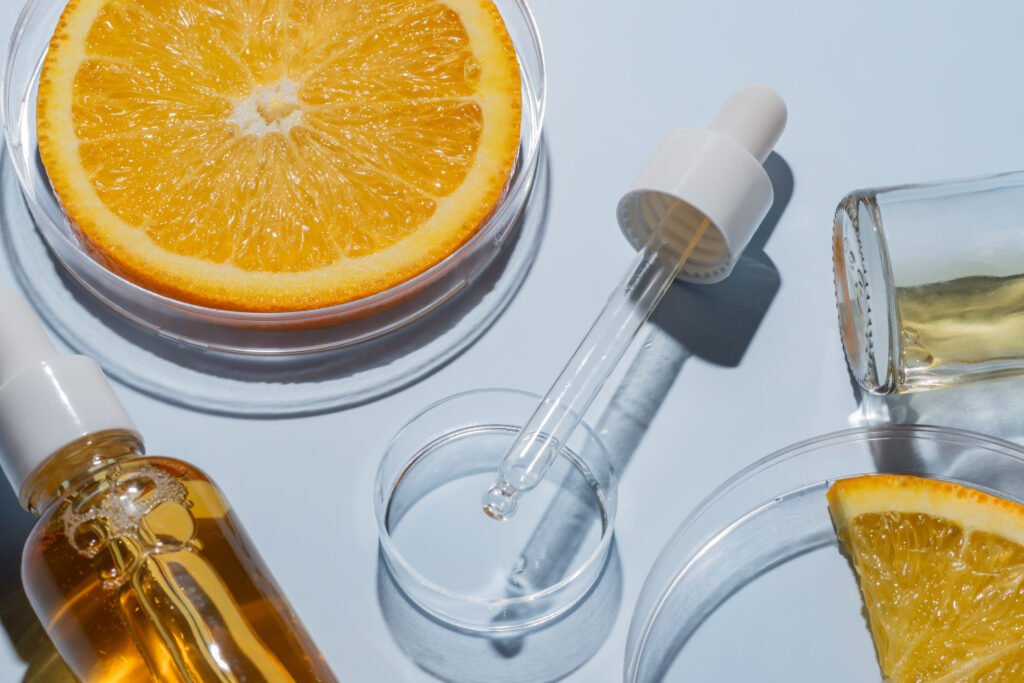
My personal favorite is vitamin C. It brightens your complexion, inhibits pigmentation, stimulates collagen, has anti-inflammatory properties, and offers extra protection against UV-related oxidative stress.
For pigmentation or melasma, I recommend choosing a serum that combines vitamin C with azelaic acid, kojic acid, ferulic acid, or green tea extract.
4. Hydration: don’t underestimate it
Many people think that swimming hydrates the skin, but the opposite is true. Chlorine, salt, heat, and sweat disrupt your skin barrier and cause moisture loss.
Does your skin feel tight or rough after a day outdoors? That is often a sign that your skin barrier is out of balance.
In that case, opt for gentle, restorative hydration. I recommend products with hyaluronic acid, ceramides, glycosaminoglycans, or heparan sulfate—ingredients that help restore comfort and elasticity.
And of course: drink plenty of water. At least two liters a day, more if you are physically active or spend a lot of time in the sun.

5. Are you still allowed to have lasers or peels in the summer?
A frequently asked question. My answer: yes and no.
Summer is not the time for deep peels or aggressive laser treatments that cause flaking, blisters, or downtime. Due to the sun, the risk of pigment changes or delayed healing is greater.
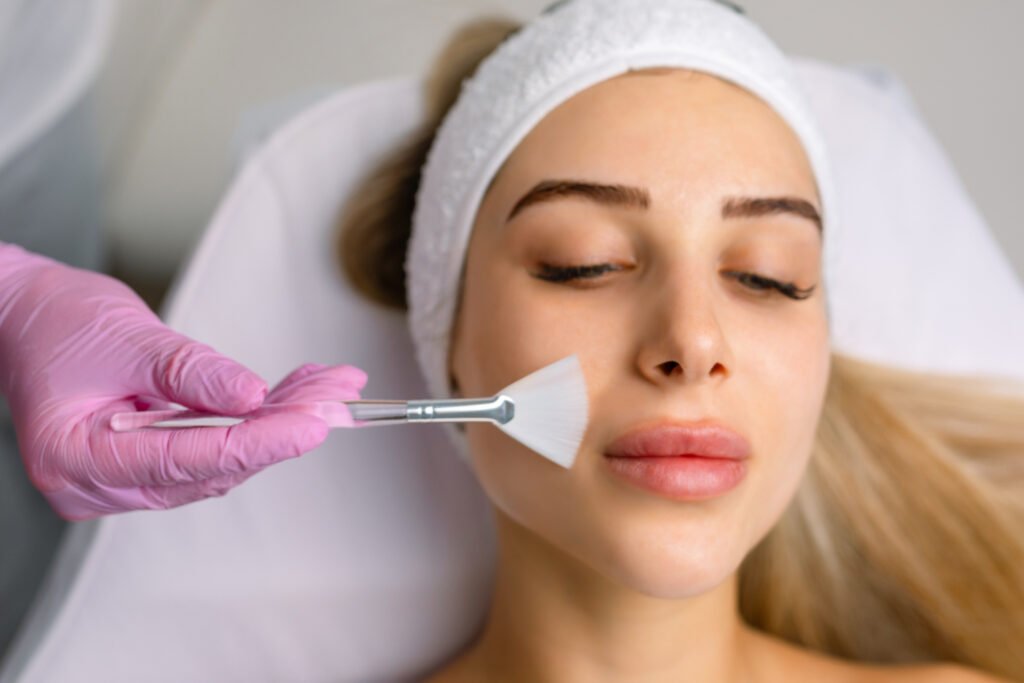
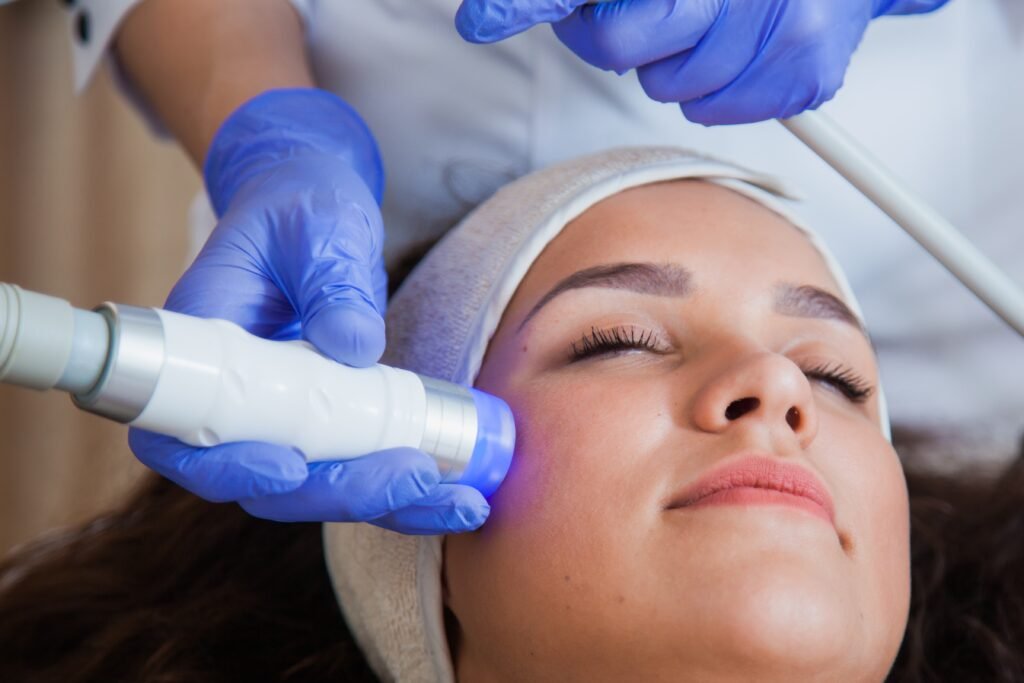
However, you do not have to stop all treatments. Superficial peels with lactic acid or polyhydroxy acids can be safely performed in the summer. Gentle microneedling or biostimulators that leave the skin barrier intact also remain possible.
The key is to proceed selectively and strategically. Opt for gentle support, and ensure proper aftercare with good sun protection.
6. And what about injectables?
Another misconception: that you should avoid injectables in the summer. That is incorrect.
As long as you stay out of the sun for the first 48 hours after the treatment and follow general guidelines, there is no problem.
Treatments with muscle relaxants or fillers can be performed perfectly all year round—as long as there is no sunburn or active inflammation in the area to be treated.
7. Extra protection with oral antioxidants
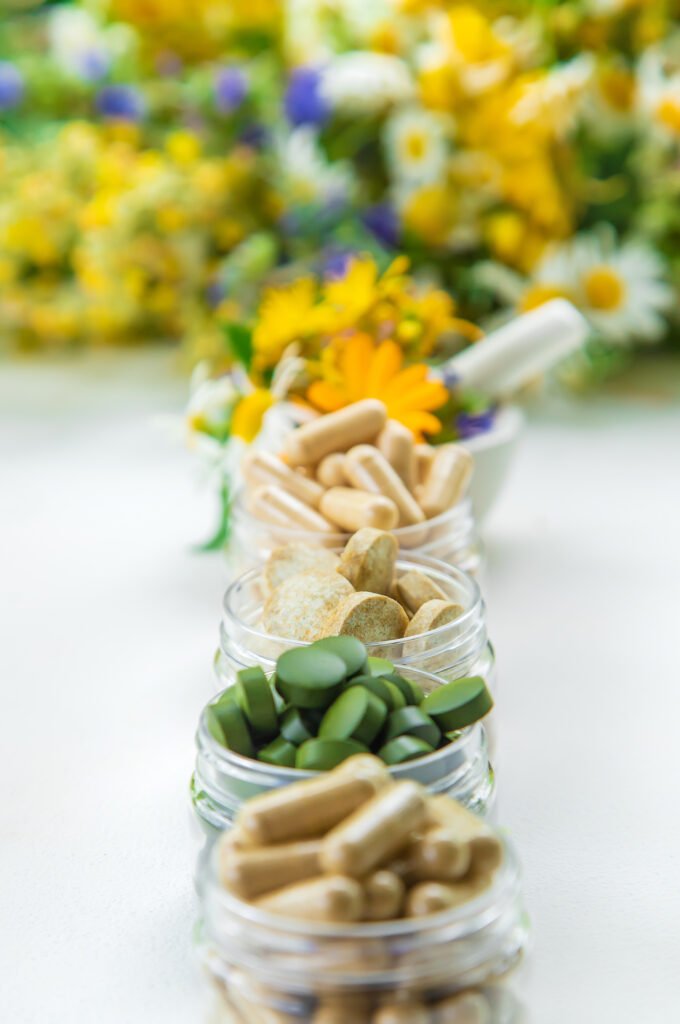
A supplement I take myself in the summer, and often recommend in the clinic: an oral antioxidant containing Polypodium leucotomos, a natural fern extract.
This helps protect the skin from within against UV-related DNA damage, and is certainly beneficial for people with pigment sensitivity or a history of melasma.
You can find it, for example, in Heliocare Ultra. Some formulas combine this with ingredients such as niacinamide or pomegranate extract, depending on your skin needs.
A small step, with a noticeable difference.
Finally: smart adjustments make the difference
Summer skincare doesn’t have to be complicated—just smart and tailored.
A brief summary:
Choose a mineral sunscreen with broad-spectrum protection
Update your SPF throughout the day with convenient solutions such as powder formulas
Add antioxidants such as vitamin C
Hydrate your skin from the inside out and from the outside
Be selective with treatments and avoid anything that weakens your skin barrier
Injectables are safe provided proper aftercare
Consider oral antioxidants for extra protection
Not sure how best to adjust your routine for summer, or would you like professional advice tailored to your skin? Then I would be happy to help.
You are welcome at Doctor Contour Clinic in Antwerp.
Keep shining, keep protecting—and enjoy the sun safely.